
Painting a home is a significant investment in both time and money, and in Alaska, the unique climate presents specific challenges and opportunities that homeowners need to consider. To ensure your residential painting project achieves the best possible results, understanding the optimal timing is crucial. Here’s a comprehensive guide to help you navigate the best timing for residential painting projects in Alaska.
Understanding Alaska’s Climate
Alaska’s climate is characterized by extreme variations, from frigid winters to relatively mild summers. The state experiences long periods of darkness in winter and extended daylight in summer, which can impact the painting process. Here’s a quick overview of the climate patterns:
- Winter (October to April): Temperatures often drop below freezing, making exterior painting nearly impossible. Humidity levels can also be high, which complicates paint drying.
- Summer (May to September): Warmer temperatures and longer daylight hours create a more favorable environment for painting. However, summer weather can be unpredictable, with sudden rain or wind storms.
Interior Painting
Interior painting projects are less affected by weather conditions and can be undertaken year-round in Alaska. However, the ideal time to paint indoors is during the summer months when the weather is mild and dry. This allows for better ventilation and faster drying times. Interior painting projects typically take 2-4 days for small projects (1-2 rooms), 4-7 days for medium projects (3-4 rooms), and 1-2 weeks for large projects (whole house).
Exterior Painting
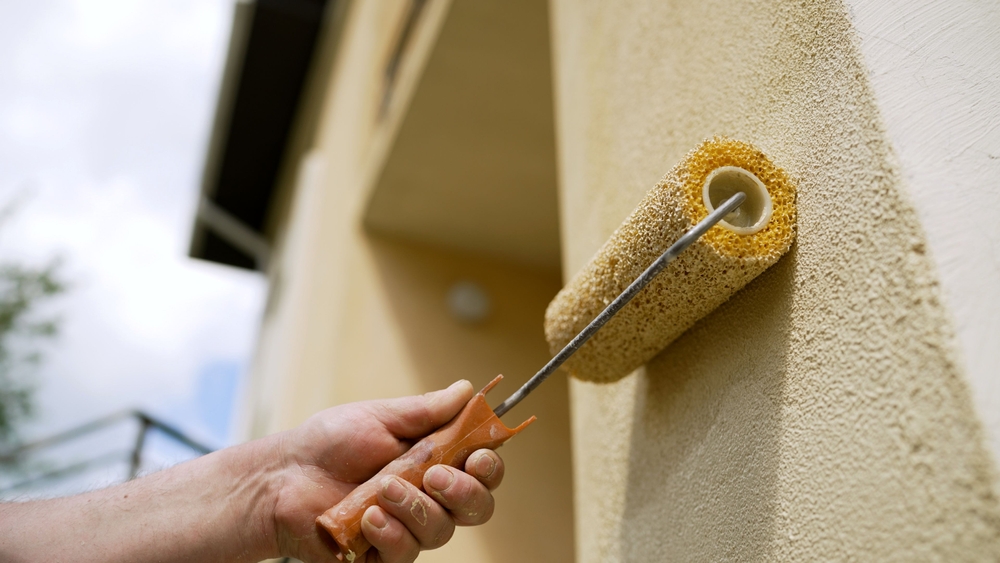
Exterior painting projects in Alaska are more time-sensitive due to the climate. The best time to paint the exterior of your home is during the summer months, from June to August, when temperatures are moderate and the risk of rain is lower. Exterior painting projects can take 3-5 days for small projects (single-story homes), 5-7 days for medium projects (two-story homes), and 1-2 weeks for large projects (large or multi-story homes).
It’s important to note that exterior painting projects should be scheduled well in advance, especially during the optimal painting season, to secure a spot with a reputable painting contractor.
Factors Influencing Timing for Residential Painting
Several key factors influence the timing of residential painting projects in Alaska, particularly in Anchorage, where the climate presents unique challenges. Understanding these factors can help homeowners plan effectively for their painting endeavors.
1. Weather Conditions
Weather is a crucial factor for residential painting projects, especially for exterior work. Ideal conditions for painting include dry days with moderate temperatures. Rain, high humidity, or extreme temperatures can halt progress and negatively affect the drying time of paint. Therefore, it is essential to monitor the weather forecast and choose suitable days for outdoor projects to avoid delays.
2. Team Size and Experience
The size and experience of the painting crew can significantly impact the project timeline. A larger, more experienced team can complete the work more quickly than a smaller group, as they can tackle multiple tasks simultaneously. Experienced painters work more efficiently, reducing the time spent on corrections or touch-ups. Hiring professionals with the right skills can lead to a quicker and more effective painting process compared to a DIY approach, which may lack the same level of expertise.
3. Accessibility and Setup Time
Accessibility to the areas being painted can influence the timeline. For exterior projects, difficult-to-reach areas may require additional setup time, such as scaffolding or ladders. Interior projects may necessitate moving furniture and covering floors, which can add to the preparation time. Ensuring that the workspace is adequately prepared and accessible can help streamline the painting process and minimize delays.
4. Unforeseen Challenges
Despite careful planning, unforeseen challenges can arise during a painting project. These may include discovering hidden damage that requires repair before painting can begin, delays due to weather changes, or supply chain issues affecting material availability. It is advisable to build some flexibility into the project timeline to accommodate potential setbacks. Open communication with the painting team can help address any issues that arise and keep the project on track.
Best Practices for Timely Completion
To ensure your residential painting project in Alaska is completed on time, follow these best practices:
- Plan ahead: Schedule your project well in advance, especially for exterior painting, to secure a spot during the optimal painting season.
- Choose experienced professionals: Hiring a reputable, experienced painting contractor can significantly reduce the project duration.
- Prepare the space: Clear rooms of furniture and belongings to facilitate easier access for painters and minimize disruptions.
- Communicate clearly: Maintain open communication with your painting contractor about expectations, timelines, and any potential issues that may arise.
Final Words
The best time for residential painting projects in Alaska is generally during the summer months (June to August) and early fall (September). These periods offer the most favorable weather conditions for both exterior and interior painting projects. Winter and late spring pose challenges due to unpredictable weather and temperature extremes, making them less ideal for painting.
By considering these factors and planning accordingly, you can ensure a successful and timely painting project for your home in Alaska.